Seasonal homes
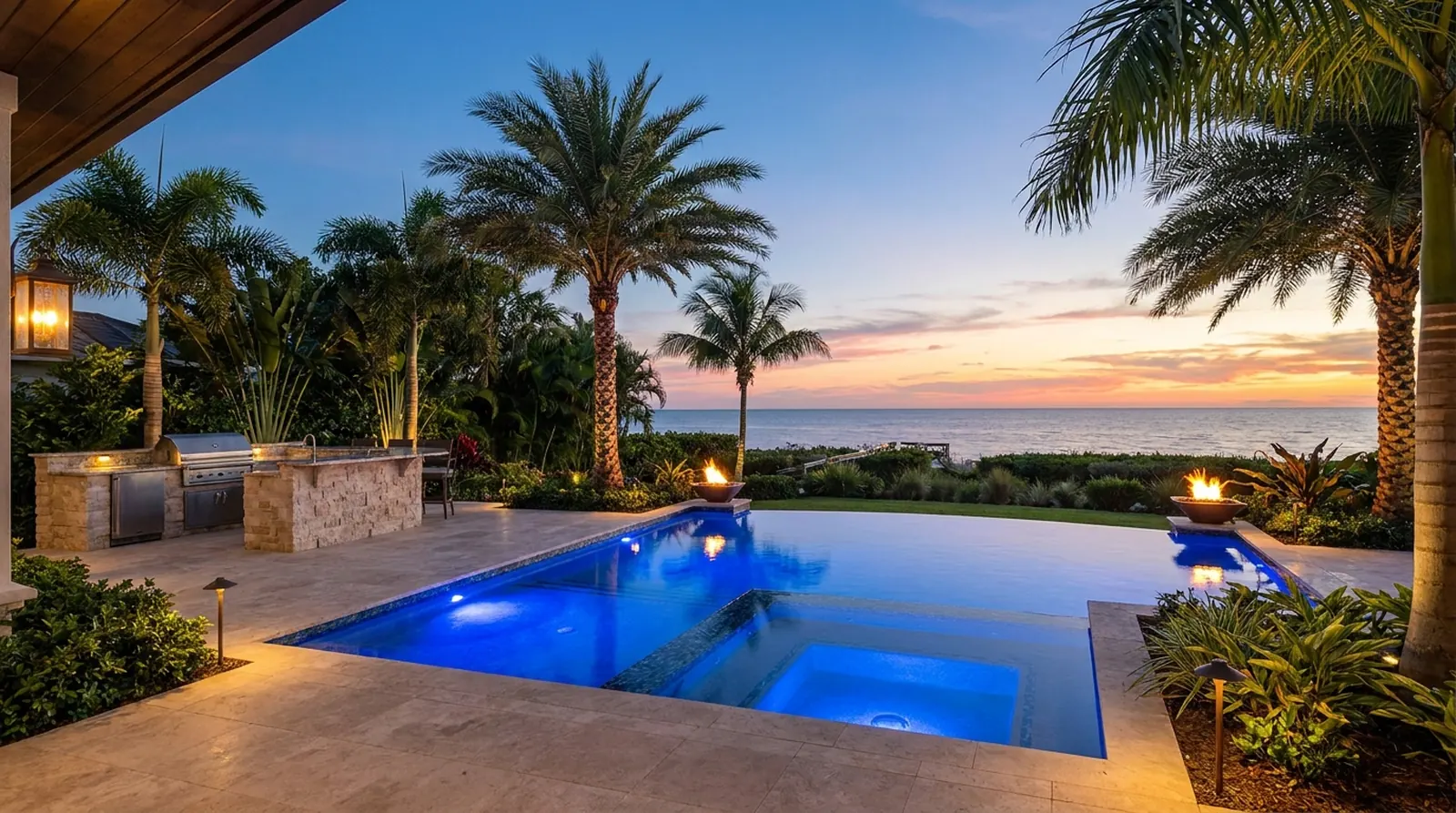
Watch the house from up north: alerts for power loss, leaks and humidity, and a cool, lit home the day you fly in.
Tell us about the house. We check who is licensed, who is certified for the system you want and who can finish on your timeline and within a realistic budget, then set up consultations with the best fits until you’re confident. Free to you, no obligation.
Every installer's state license, checked on the state's own lookup before any introduction.
We don't install or sell equipment, so there is no brand to push.
Your details go only to the installers you choose to meet. Never to a list.
Installers pay us only when a project goes ahead. You never pay us anything.
Today's systems do far more than dim the lights. Here is what you can have, and what it is like to live with.
Lighting, shades, climate, music, TV and cameras on one app and a few elegant keypads. Tap "Good night" and the house locks up, dims and cools.
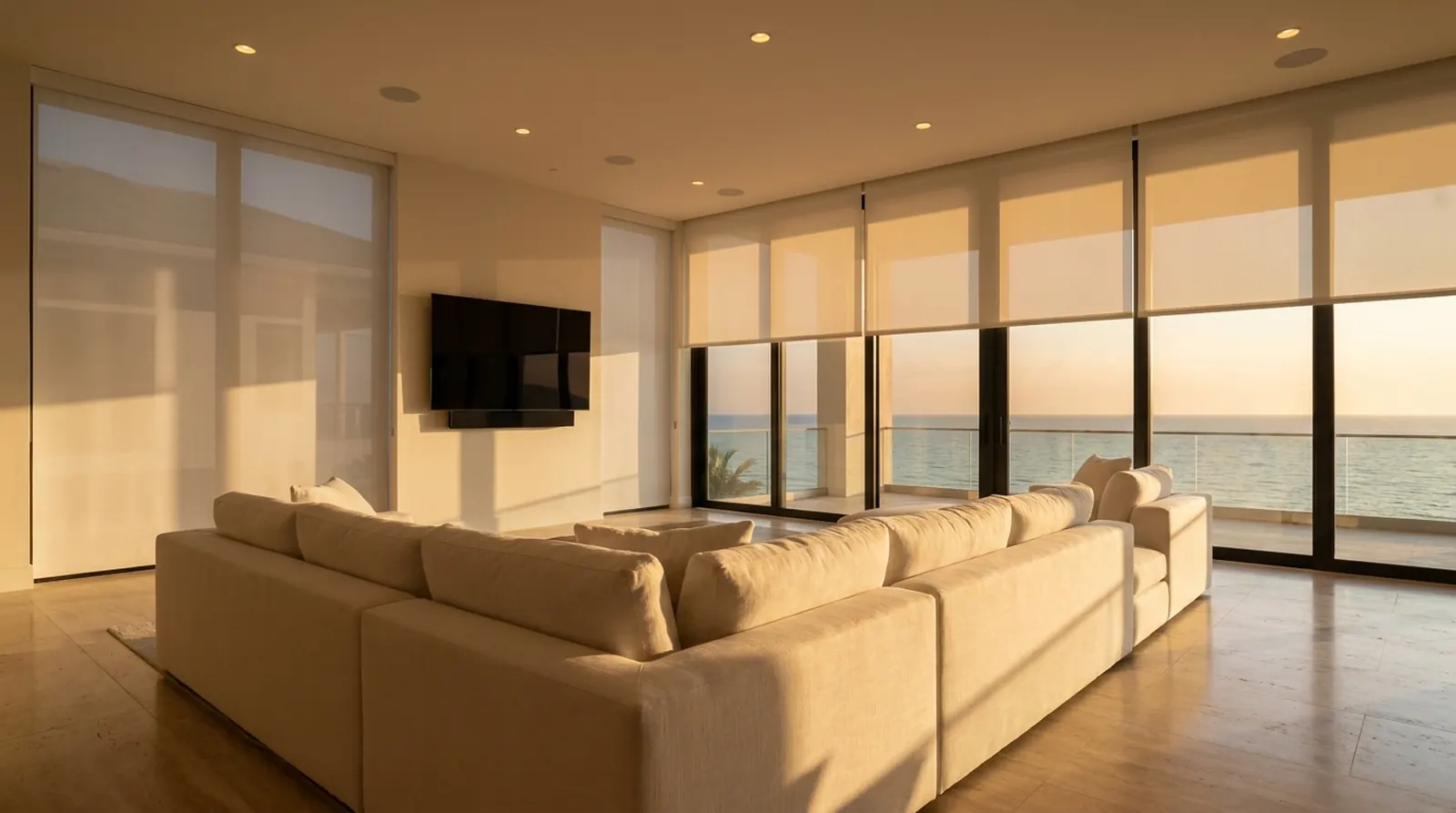
Lighting scenes for every mood, and motorized shades that open and close with the sun to cut glare and protect floors, art and furniture.
Say "dim the kitchen" or "play jazz by the pool." Use a familiar assistant, or a privacy-focused system such as Josh.ai built for high-end homes.
Newer systems understand everyday speech and run routines on their own: lights that follow sunset, shades that close when a room heats up, alerts when something looks wrong.
Cameras, smart locks, gates and intercoms on the same app, on a professionally secured network. Ask for cameras that record locally, so footage stays in your home.
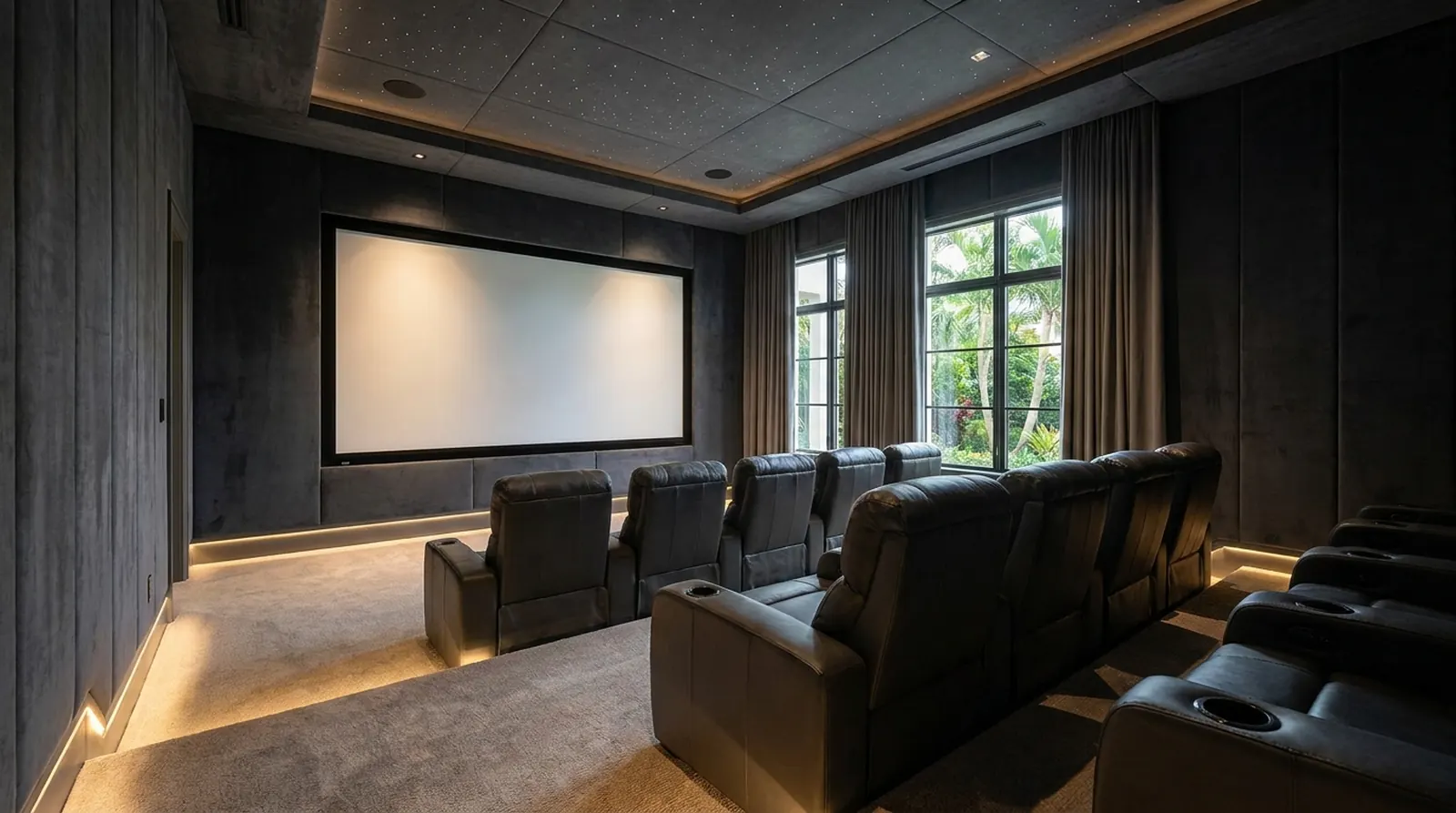
Music inside and out, a media room or private cinema, and one "Entertain" scene that sets the lights, music and pool for guests.
Room-by-room temperature and humidity, plus power, solar, battery or generator status at a glance.
See the house from anywhere: alerts for power loss, water leaks and temperature, and a cool, lit home the day you arrive.
Most whole-home systems run $60,000 to $150,000. Know the range before the first conversation, so every quote you hear makes sense.
Homes of 2,000 to 3,500 sq ft. Lighting, shades and music in the rooms you use most.
Homes of 3,500 to 6,000 sq ft. Every room on one app, plus climate, security and cameras.
Homes of 6,000 to 15,000+ sq ft, guest houses, cinemas and grounds.
About $25,000 on average; high-end rooms pass $100,000.
Ranges published by Savant dealers and by Angi's home theater cost guide, 2026. Every home is different; your installer's quote is what counts.
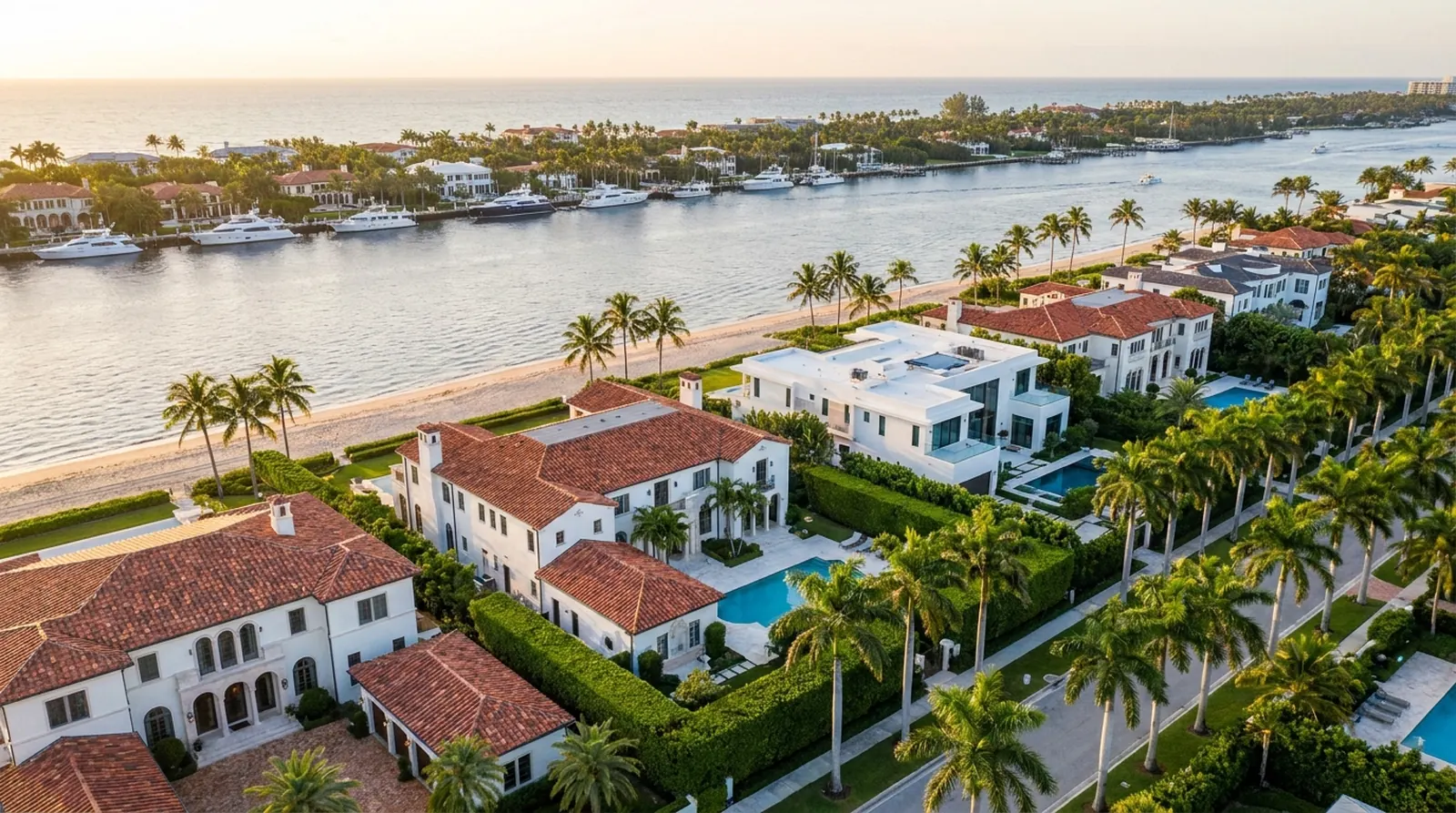
Estates between the ocean and the Intracoastal, many historic houses with thick walls, owners who split the year with the Northeast, and a hurricane season every summer.
Ask for leak, power and temperature alerts, remote shade control, and backup power for the network and controller, so you can still see the house during a storm.
Older Mediterranean Revival homes need an installer experienced with plaster and stone. Wireless keypads and existing wiring paths protect original detail.
Water views mean a lot of glass. Motorized shades that follow the sun cut glare and protect floors, art and furniture.
Watch the house from up north: alerts for power loss, leaks and humidity, and a cool, lit home the day you fly in.
Older Mediterranean Revival homes need an installer who can run wiring without damaging plaster, stone or original detail.
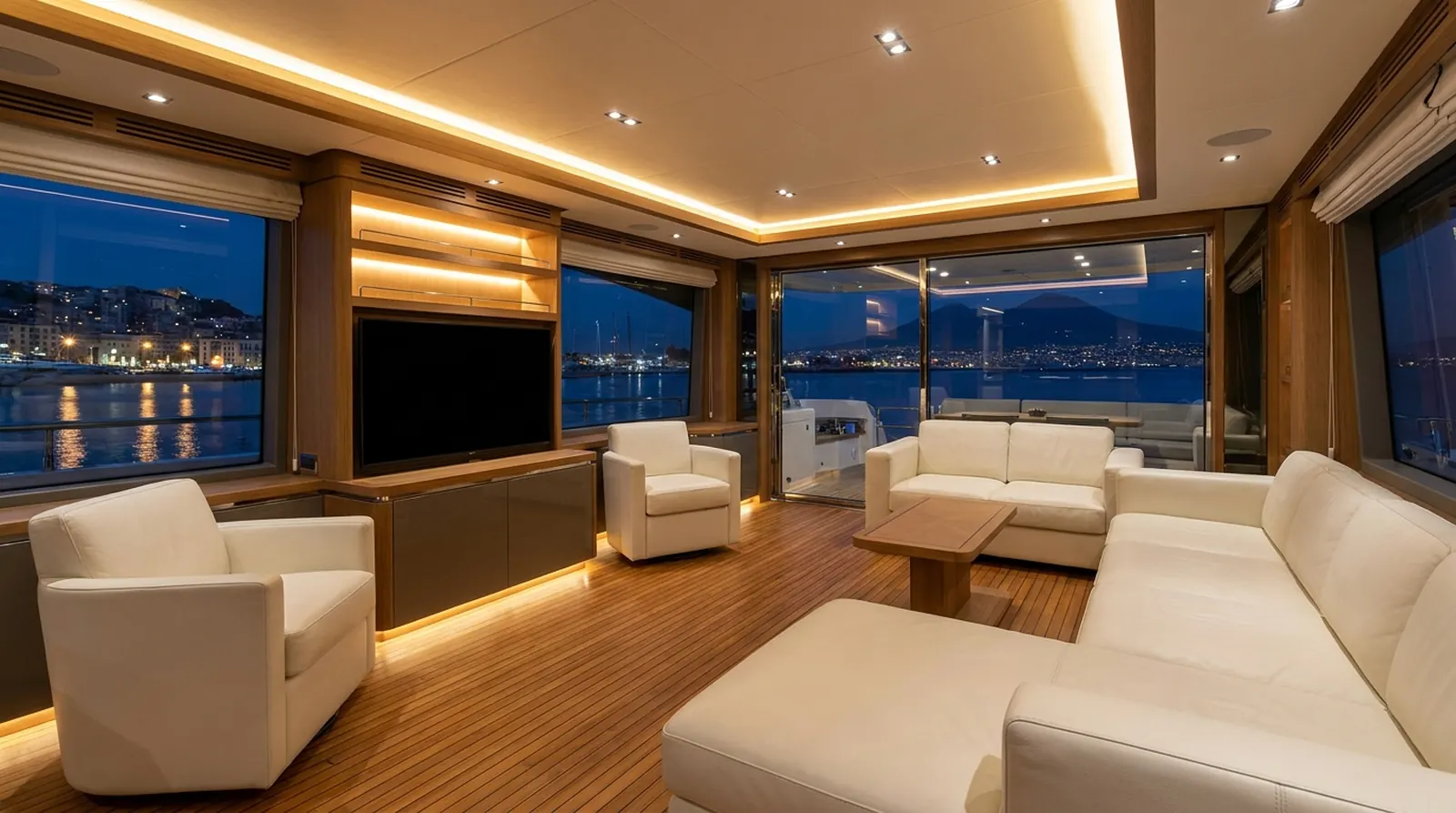
Marine audio, video and lighting control from installers who work on boats as well as houses.
In Florida, low-voltage and electrical work needs a state license from the Department of Business and Professional Regulation. Look for one of these on the installer's paperwork:
Pick what matters most. We'll show you the system that usually fits, and what to ask the installer.
Known for one polished, simple app for lighting, climate, music, video and cameras. A favorite in luxury homes and on yachts.
Which Savant dealer program they belong to, and two finished homes like yours.
Directories hand your number to a list. We do the opposite: we do the legwork, introduce you to the installers who truly fit, and stay with you until the right one is chosen.
Every installer's state license, checked on the state's own lookup, their certification for your system, and homes like yours they've finished.
Your consultation, booked for you: at the home, aboard, or by video from wherever you are this season.
Want another view? We set up the next consultation, as many as it takes, each on your timeline and within a realistic budget.
With you until you're confident. It costs you nothing: installers pay us only when a project goes ahead.
Straight answers to what owners ask us most.
Most whole-home systems run $60,000 to $150,000, and estate-scale projects $150,000 to $350,000 or more. See the Palm Beach cost guide.
Usually, yes. Installers can use existing paths, wireless keypads and careful routing to avoid damaging original walls. Expect a retrofit to cost more than a new build.
No. Many owners start by phone or video from the Northeast, and the installer walks the home with a house manager, family member or builder.
It can alert you to power loss, water leaks and temperature changes while you are away, and let you close motorized shades remotely. Ask your installer to keep the network and controller on backup power.
Yes. We start with the best fit for your home. If you'd like to compare, we set up consultations with other strong options until you're confident. We do the legwork; you just show up.
Installers pay us a referral fee only when a project goes ahead. You never pay us anything, and you're never obliged to hire.
Tell us about the home. We'll confirm the details with you, then book your first consultation with the installer who fits best.